If you’re moving from New York City and hoping for a better daily rhythm, Westport often lands on the shortlist for good reason. You get a coastal Connecticut setting, direct Metro-North access, a real downtown, and neighborhoods that can support very different versions of commuter life. The key is knowing how train access, parking, downtown errands, beaches, and your household schedule all work together. Let’s dive in.
Why Westport works for NYC commuters
Westport sits on Long Island Sound about 40 miles from New York City. The town is shaped by access to I-95, U.S. 1, the Merritt Parkway, two Metro-North stations, and a local commuter shuttle.
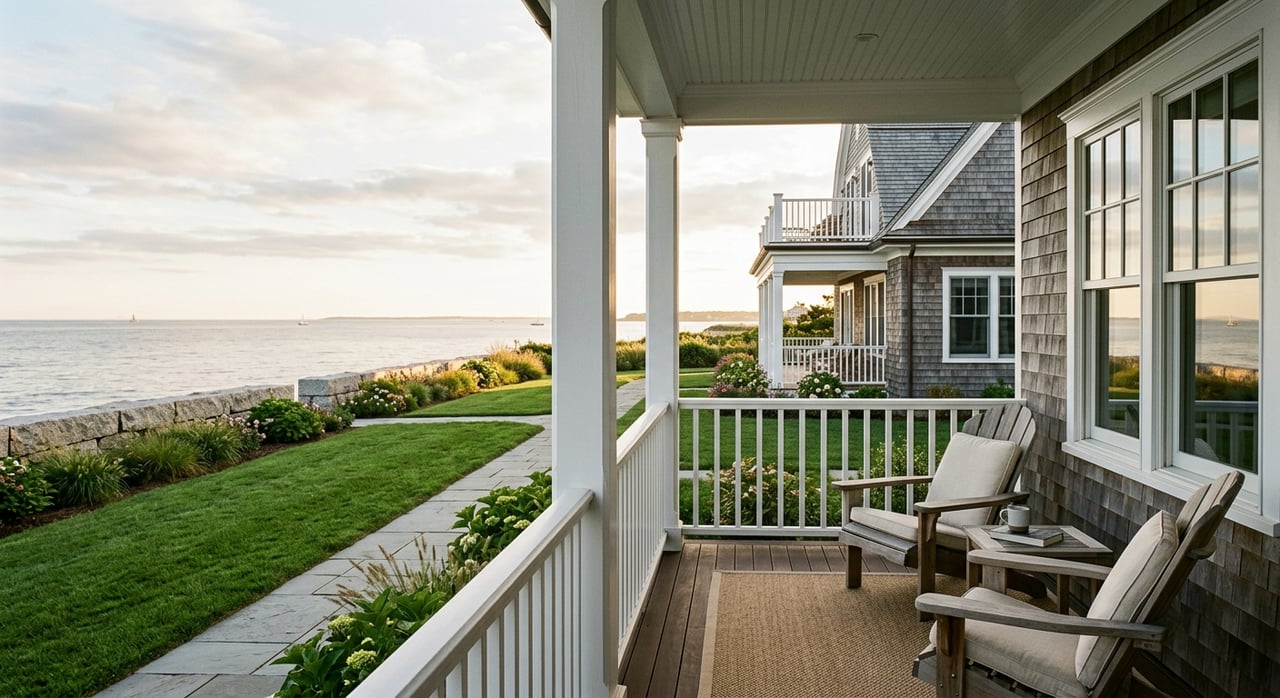
For many buyers, that mix is what makes Westport stand out. You are not choosing between a commuter town and a coastal town. In Westport, rail access, downtown activity, and shoreline living all exist in the same place.
How Westport’s daily rhythm feels
Your day in Westport often starts with one practical question: which station routine fits your household best? From there, everything else follows, including school drop-off, after-work errands, dinner plans, and how easily you can get to the beach on a summer evening.
Some households want a train-first lifestyle with easy access to downtown. Others are happy with a more car-assisted routine if it means being closer to the southern and coastal side of town. Westport can support both, but the experience feels different depending on where you live.
Westport station and Saugatuck living
The official Metro-North station name is Westport, though many locals still refer to the area as Saugatuck. The station is on Railroad Place on the New York-bound side and Ferry Lane on the eastbound side, and this part of town has a strong transportation-centered identity.
Saugatuck Center is described by the town as a historic transportation and commerce center. Nearby, Downtown Westport and Main Street form another major business core, with merchants, the Westport Library, and public parking lots that support errands and daily activity.
For commuters, that setup can make life feel more streamlined. If you like the idea of taking the train, then handling a few errands or meeting someone downtown before heading home, this side of town supports that kind of routine well.
Best fit for a train-centered routine
Westport station is the more station-centered option for many daily commuters. It is fully accessible and includes elevators, ramps, tactile warning strips, audiovisual passenger information systems, ticket machines, and a waiting area.
That practical infrastructure matters if you commute often. It can also matter if your household wants flexibility, especially when schedules shift during the week.
Commute timing from Westport station
Current schedule tools show Westport-to-Grand Central trips averaging about 1 hour 20 minutes on one sample weekday schedule, with a fastest listed trip of 1 hour 14 minutes. Travel times vary by day and by stop pattern, especially because many Metro-North trains do not stop at every station during rush hour.
That means your address is only part of the equation. Your ideal neighborhood may depend just as much on which specific train schedule fits your workday.
Greens Farms and southern Westport
Greens Farms station serves a different kind of commuter lifestyle. The station is on New Creek Road, and it can be a logical choice for households on the southern or coastal side of town.
If your priorities lean toward shoreline proximity and southern Westport living, Greens Farms may feel more convenient geographically. In many cases, it works best for buyers who are comfortable with a car-assisted station routine.
What to know about station access
The MTA says Greens Farms platforms are ramp-accessible, but there is no accessible path between them. Vehicular drop-off or pick-up is suggested.
That detail may sound small, but it can shape your everyday planning. If you are coordinating a household with multiple schedules, that extra step can influence which side of town feels easiest over time.
Commute timing from Greens Farms
A current transit app estimate shows Greens Farms-to-Grand Central at about 1 hour 32 minutes. Like Westport station, actual trip times vary depending on day and train pattern.
For some buyers, that difference may not be a deal breaker. If being closer to southern Westport or the shoreline improves the rest of your week, the tradeoff can still make sense.
Parking can shape your choice
For NYC commuters, parking is not a side issue in Westport. It is a core part of how your day works.
At the Westport station in Saugatuck, there are 8 parking lots. Lots 4, 7, and 8 are daily parking only, lots 1, 3, 5, 6, and 7 are permit only, and lot 2 allows permit, daily, and hourly parking.
At Greens Farms, there are 3 lots. Lot 1 allows permit and daily parking, while lots 2 and 3 are permit only.
The town says parking is free from 3 p.m. to 7 a.m. on weekdays, as well as all weekend and on national holidays. Daily parking costs $6.38, and annual permits cost $425.40 for one car or $531.75 for a two-car permit.
If you expect to drive to the train most days, these details matter. A home that looks close enough on a map may feel very different once you factor in lot type, permit needs, and the stress of finding daily parking.
Wheels2U and the last-mile option
One useful local tool is Wheels2U Westport, which provides on-demand door-to-train rides between most of Westport and both stations during weekday peak commuting hours. For some households, that can reduce the friction of station parking.
This can be especially helpful if you want flexibility without relying on a second car trip every morning. It can also broaden the range of neighborhoods that feel practical for a commuter.
Downtown, beaches, and after-work life
One of Westport’s biggest strengths is that daily life does not stop at the station. You can commute into the city and still come home to a town with a strong local center and shoreline access.
Downtown Westport includes Main Street merchants, the library, and public parking. That gives you a real place to run errands, meet friends, or take care of everyday tasks without making the whole day feel car-dependent.
Beach access changes the week
Westport’s official beach system includes Compo Beach, Burying Hill, and Old Mill Beach. Compo Beach is a 29-acre park with a sand beach, boardwalk, pavilion, concession stand, volleyball courts, and limited seasonal daily parking.
Old Mill Beach is a 1.8-acre sandy beach with limited parking and no daily fee. Even if your station choice stays the same, being closer to the beach can change how your evenings and weekends feel.
For some buyers, that is the whole point of the move. You want the option to leave the city behind at the end of the workday and still catch part of the sunset near the water.
School routines matter too
If your household includes school-age children, your commute decision is rarely just about the train. Westport Public Schools serve kindergarten through 12th grade through five elementary schools, two middle schools, and one high school.
The district’s planning materials describe the elementary system as five K-5 neighborhood elementary schools. In practical terms, many families weigh train access alongside school drop-off, after-school activities, and the timing of a busy weekday.
That is why neighborhood fit in Westport is so personal. Two homes with similar commute times can support very different daily routines once family logistics are part of the picture.
How to think about neighborhood fit
If you are trying to narrow your search, start with your real weekday pattern rather than your idealized one. Think about what usually happens before 8 a.m., after 5 p.m., and on weekends.
Ask yourself questions like these:
- Do you want the most train-centered routine possible?
- Would you rather live closer to the coast, even if station access is more car-assisted?
- Will you use daily parking, permit parking, or a shuttle option?
- How often do you expect to go downtown after work?
- Do school drop-off and activities shape your morning more than the train does?
- Would beach access change your quality of life during the week?
For many NYC buyers, Westport is appealing because there is no single right answer. You can build a commuter lifestyle here that feels efficient, coastal, family-friendly, or some mix of all three.
A practical way to choose between areas
If your top priority is the most seamless station routine, the Westport/Saugatuck area often deserves the closest look. It combines the fully accessible station, nearby downtown amenities, and a rhythm that can support commuting plus errands in one part of town.
If your household is drawn to southern Westport and values shoreline proximity, Greens Farms may still be the better fit. You may trade some simplicity in the station routine, but you gain a location that can better match your lifestyle outside work hours.
The goal is not to find the “best” neighborhood in general. It is to find the neighborhood that makes your specific version of daily life easier.
If you are weighing Westport neighborhoods around your commute, beach access, and everyday routine, working with a local expert can make the search much more focused. Lisa Babington can help you compare areas, align your home search with how you actually live, and make a confident move in Westport.
FAQs
Which Westport station is usually easier for NYC commuting?
- For many commuters, Westport station in the Saugatuck area is the easier option because it is fully accessible and closest to the downtown-commercial core.
What should commuters know about parking at Westport train stations?
- Parking is structured by permit, daily, and some hourly access depending on the lot, with daily parking at $6.38 and annual permits at $425.40 for one car or $531.75 for a two-car permit.
Is Greens Farms station a good option for southern Westport buyers?
- Yes. Greens Farms can make sense for households on the southern or coastal side of town, especially if you are comfortable with a more car-assisted station routine.
How long is the train ride from Westport to Grand Central?
- One sample weekday schedule shows Westport-to-Grand Central averaging about 1 hour 20 minutes, with a fastest listed trip of 1 hour 14 minutes, though actual times vary.
Can you enjoy both downtown Westport and the beach as a commuter?
- Yes. Westport’s appeal is that downtown, the train stations, and the beaches are all part of the same town, which supports a more balanced weekday and weekend lifestyle.
How do school routines affect a Westport home search for commuters?
- For many families, the decision includes school drop-off, after-school activities, and neighborhood elementary school logistics, not just train time alone.