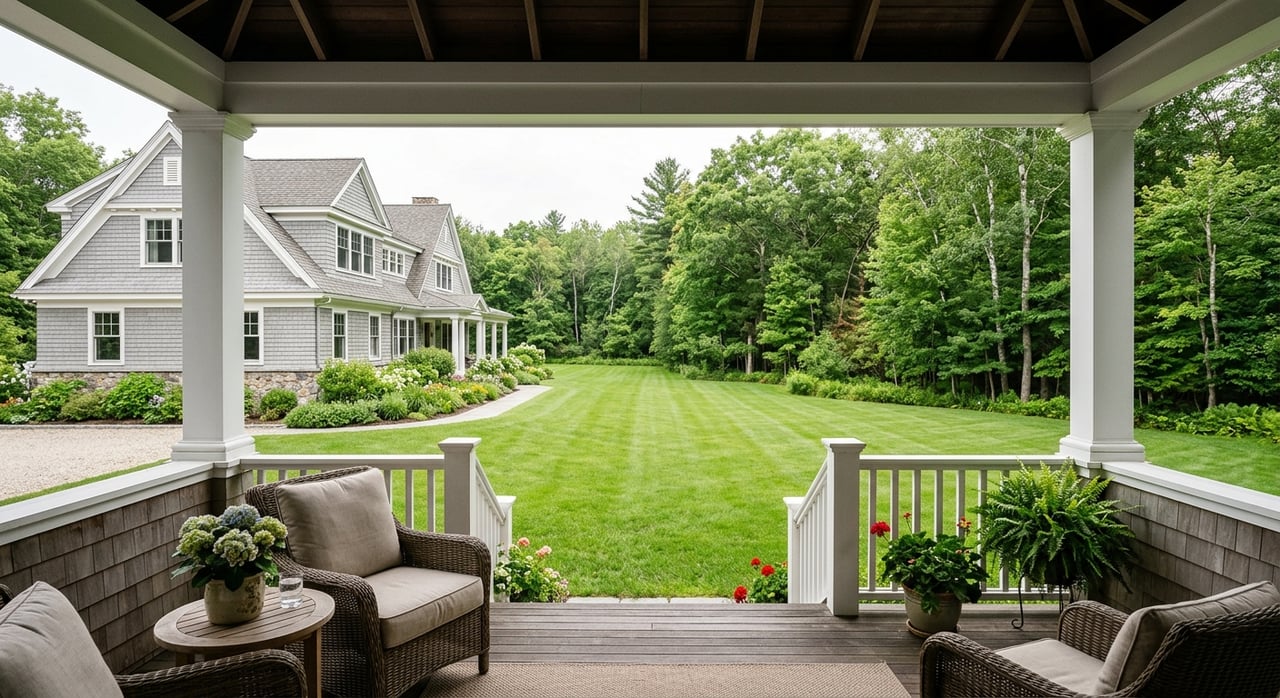
Dreaming of more land, more privacy, and a home with real architectural character? Greenfield Hill offers a version of Fairfield living that feels tucked away and timeless, yet still connected to the rest of town. If you are weighing where to buy in Fairfield or trying to understand what makes this area distinct, this guide will help you see why Greenfield Hill stands out. Let’s dive in.
Why Greenfield Hill Feels Different
Greenfield Hill is one of Fairfield’s most historic residential areas. Fairfield’s Historic District Commission describes it as a rural community with quiet charm and beauty, and the local historic district dates to 1967. That long history still shapes how the neighborhood looks and feels today.
At the center of the area is the Greenfield Hill Congregational Church, founded in 1725. Timothy Dwight Park marks the former academy site, and the district includes one of the largest concentrations of pre-Revolutionary War dwellings in Fairfield. In practical terms, that means Greenfield Hill is not just another suburban neighborhood. It has a true sense of place.
For many buyers, the appeal comes down to a rare balance. Greenfield Hill feels estate-like and country-like, but it is not cut off from daily needs or regional travel. Fairfield is served by I-95, the Merritt Parkway, and Metro-North rail, with three train stations in town.
Space and Privacy Define the Setting
If you want breathing room, Greenfield Hill often delivers it in a way that is hard to find in more compact parts of Fairfield County. The area is closely associated with larger lots, mature landscaping, stone walls, and a more secluded residential pattern. That creates a quieter, more private day-to-day experience.
Recent market examples reflect that pattern. Homes in the area have included properties on just over an acre, homes on more than two acres with classic stone walls and landscaping, and larger estates on roughly five acres with features like barns, greenhouses, pool houses, and tennis courts. While every property is different, the common theme is clear: land matters here.
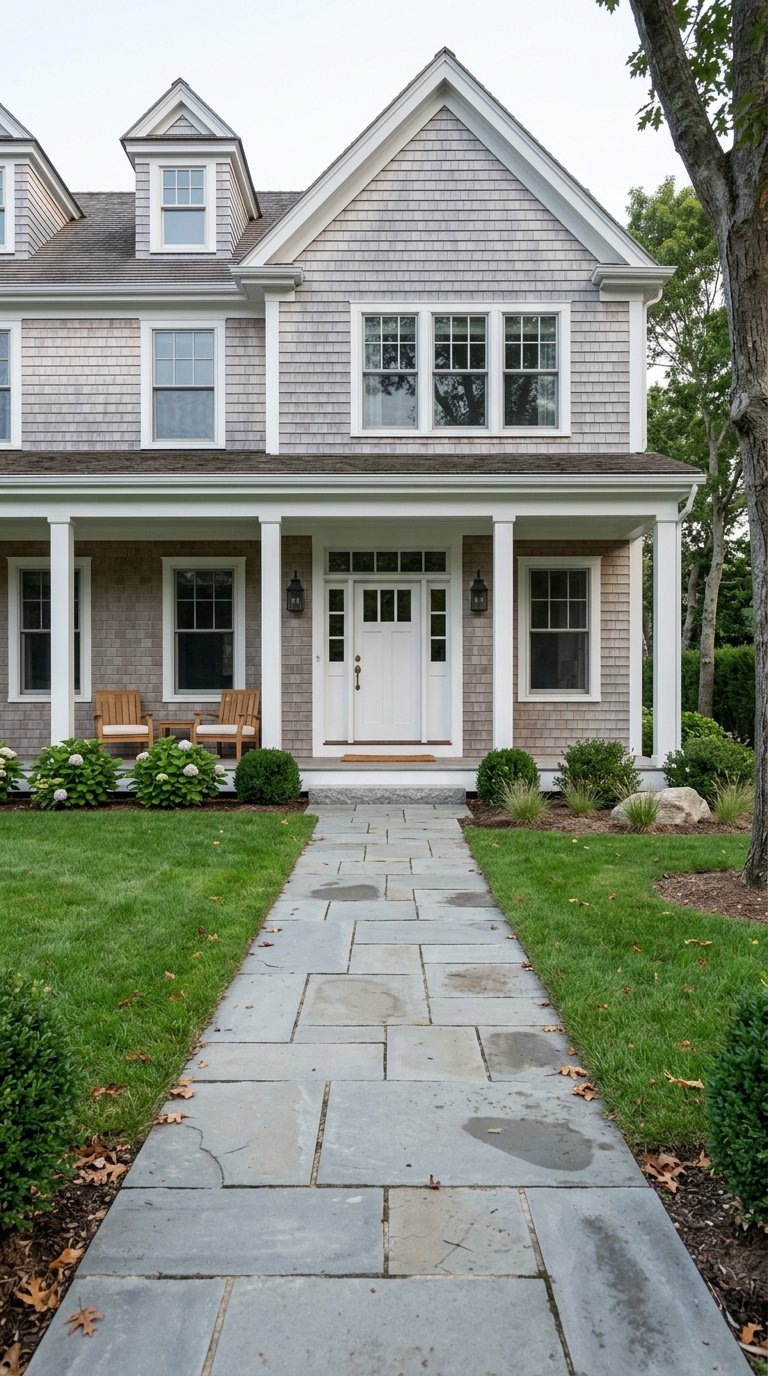
That setting shapes how the neighborhood feels from the street. Instead of tightly grouped homes or postwar tract development, you are more likely to see houses set back from the road with long driveways, trees, and open grounds. For buyers coming from denser neighborhoods, that sense of privacy is often a major reason to look here.
Character Comes From the Homes
Greenfield Hill has a distinctive architectural identity rooted in old New England forms. The historic district includes pre-Revolutionary saltboxes, Georgian and Federal houses, a Gothic Revival home, stone farm structures, and barns. It also includes later architecturally significant properties, such as the former Verna house designed by Richard Morris Hunt.
This mix gives the area a layered, authentic look. It reads more like an old village and country estate district than a typical suburban subdivision. Fairfield’s historic district handbook even notes that there are no Cape Cod houses in the Greenfield Hill Historic District, which helps explain why the architecture feels especially consistent and specific.
For buyers, that character can be a major draw. If you value older homes, traditional details, and a setting with visual continuity, Greenfield Hill offers a very different experience from newer construction communities. The architecture is part of the lifestyle here, not just a backdrop.
Zoning Supports a Spacious Feel
Part of Greenfield Hill’s low-density character is reinforced by Fairfield zoning. In lower-density residential districts such as AAA and AA, the town requires substantial setbacks and limits lot coverage. In AAA zones, the standards include 60-foot front setbacks, 30-foot side setbacks, 50-foot rear setbacks, 10 percent lot coverage, and 15 percent total floor area.
In AA zones, the standards include 50-foot front setbacks, 25-foot side setbacks, 40-foot rear setbacks, 10 percent lot coverage, and 20 percent total floor area. These standards do not define every Greenfield Hill parcel by themselves, but they help explain why the area tends to feel open, spacious, and privacy-oriented.
For you as a buyer or homeowner, this matters because neighborhood feel is not accidental. The zoning framework helps preserve separation between homes and supports the larger-lot pattern many people associate with Greenfield Hill. If space is part of your wish list, those rules help protect it.
Historic District Review Matters
Greenfield Hill’s charm also comes with a practical consideration: historic district oversight. Fairfield’s Historic District Commission has jurisdiction over exterior alterations, demolition, and new construction that is visible from a public way. A Certificate of Appropriateness is required before that work proceeds.
The phrase public way is broader than many buyers expect. According to the town’s handbook, it can include streets, railways, parks, trails, parking lots, and waterways. That means even changes that seem relatively modest may require review if they are visible from one of those locations.
This does not mean you cannot improve or update a home. It does mean you should go in with clear expectations if you are considering renovations, additions, or exterior changes. For the right buyer, this review process is part of what helps preserve the area’s long-term character.
Everyday Life in Greenfield Hill
Greenfield Hill is well suited to buyers who want a more wooded, suburban-rural daily routine. Nature is part of everyday life here, not just a weekend extra. The Connecticut Audubon Society’s Fairfield Nature Center on Burr Street sits alongside the 155-acre Larsen Wildlife Sanctuary and offers seven miles of trails, birding, and environmental education programming.
That nearby access to trails and open space adds a lot to the lifestyle. If you enjoy walking, spending time outdoors, or simply living near protected natural areas, Greenfield Hill offers that sense of closeness to nature. It is one of the area’s defining strengths.
Errands and daily activities are typically more car-oriented than in a more urban or village-style setting. That fits with the area’s low-density layout, limited commercial nodes, and spread-out civic uses. For many buyers, though, that trade-off is worth it for the extra land, privacy, and quiet.
Commuting and Connectivity
One of Greenfield Hill’s biggest advantages is that it feels tucked away without being remote. Fairfield as a whole has access to I-95, the Merritt Parkway, and Metro-North rail service. With three train stations in town, buyers who commute or travel regularly still have meaningful transportation options.
This can be especially appealing if you are relocating from the New York metro area and want more space without losing regional access. Greenfield Hill tends to work best for buyers who prioritize land, character, and privacy, while still needing a workable connection to offices, trains, or major roads. It is a strong fit for people who want room to exhale but still need to stay connected.
School Assignment Is Address Specific
For buyers paying close attention to school logistics, it is important to verify assignments carefully. Fairfield Public Schools states that attendance boundaries are determined by the master street list, not by visual maps alone. The current master street list shows Greenfield Hill Road in the Dwight Elementary, Roger Ludlowe Middle, and Fairfield Ludlowe High pattern.
Dwight Elementary’s website says the school is nestled in the heart of Greenfield Hill and notes recognitions including Blue Ribbon School and School of Distinction. Still, school assignment is address-specific. If schools are an important part of your home search, you should confirm the exact parcel rather than assume a property falls within a certain attendance pattern.
That kind of detail matters in any move, but especially in a neighborhood where buyers are often comparing lifestyle, commute, and property characteristics all at once. A neighborhood-level understanding can make that decision process much clearer.
Who Greenfield Hill Fits Best
Greenfield Hill is strongest for buyers who want a home that feels established, private, and connected to the land. It tends to appeal to people looking for acreage, mature surroundings, distinctive architecture, and a more peaceful setting. If you value newer, denser, or highly walkable environments, another part of Fairfield may be a better match.
This area is also a good fit if you appreciate the value of preserved historic character and understand the responsibilities that can come with it. Larger lots, older homes, and historic district review can all shape ownership here. For many buyers, those are not drawbacks. They are exactly what make Greenfield Hill special.
If you are comparing Fairfield neighborhoods, Greenfield Hill stands apart because it combines space, privacy, historic fabric, and commuter access in a way that is increasingly hard to replicate. That combination is what gives the area its lasting appeal.
If you are thinking about buying or selling in Fairfield and want thoughtful guidance on neighborhood fit, property value, and what makes one area different from another, Lisa Babington can help you navigate the market with local insight and personal service.
FAQs
What is Greenfield Hill known for in Fairfield, CT?
- Greenfield Hill is known for its historic character, larger lots, private settings, and one of the largest concentrations of pre-Revolutionary War homes in Fairfield.
Are homes in Greenfield Hill usually on larger lots?
- Many homes in Greenfield Hill are associated with acreage, mature landscaping, stone walls, and a more secluded setting, with recent examples ranging from about one acre to larger estate properties.
Does Greenfield Hill have historic district rules for homeowners?
- Yes. Exterior alterations, demolition, and new construction visible from a public way may require review by Fairfield’s Historic District Commission and a Certificate of Appropriateness before work begins.
Is Greenfield Hill convenient for commuting?
- Greenfield Hill offers a more tucked-away setting, but Fairfield has access to I-95, the Merritt Parkway, and Metro-North rail service, with three train stations in town.
How do school assignments work in Greenfield Hill, Fairfield?
- Fairfield Public Schools uses a master street list to determine attendance boundaries, so school assignments are address-specific and should be verified for the exact property you are considering.
What kind of lifestyle does Greenfield Hill offer?
- Greenfield Hill offers a lower-density, car-oriented lifestyle with strong access to nature, including nearby trails and wildlife areas, along with privacy and traditional New England character.