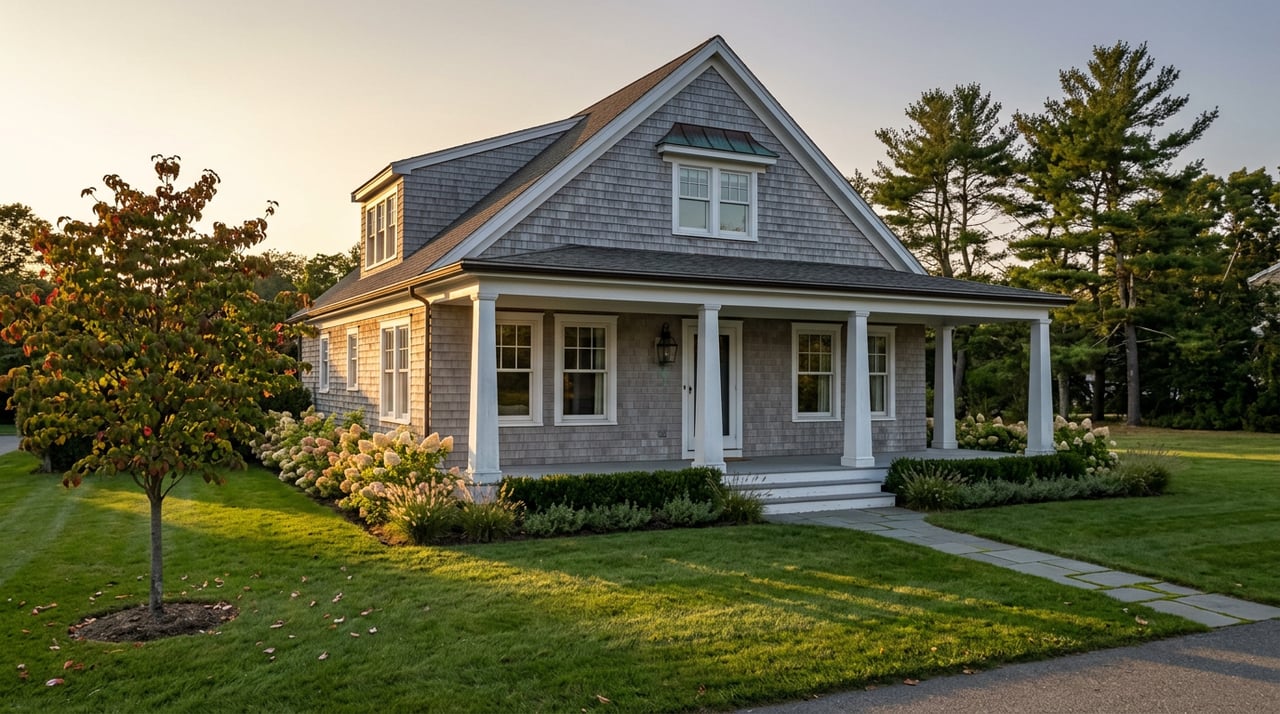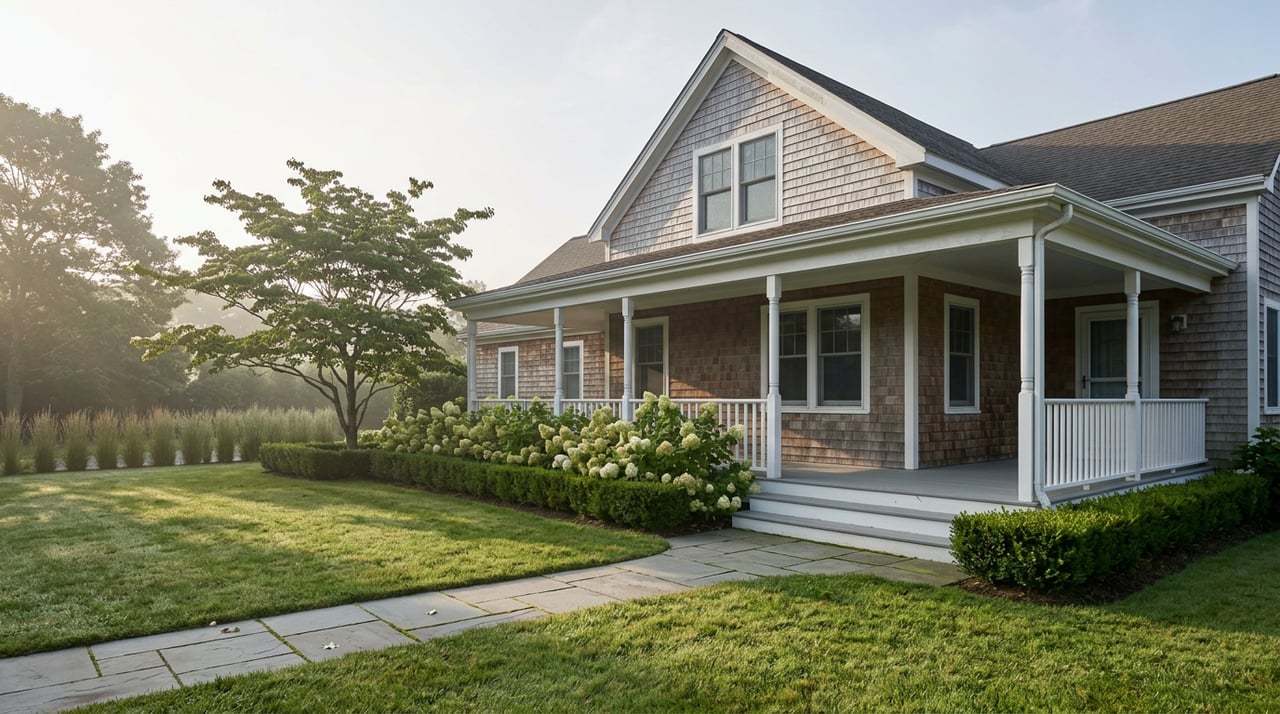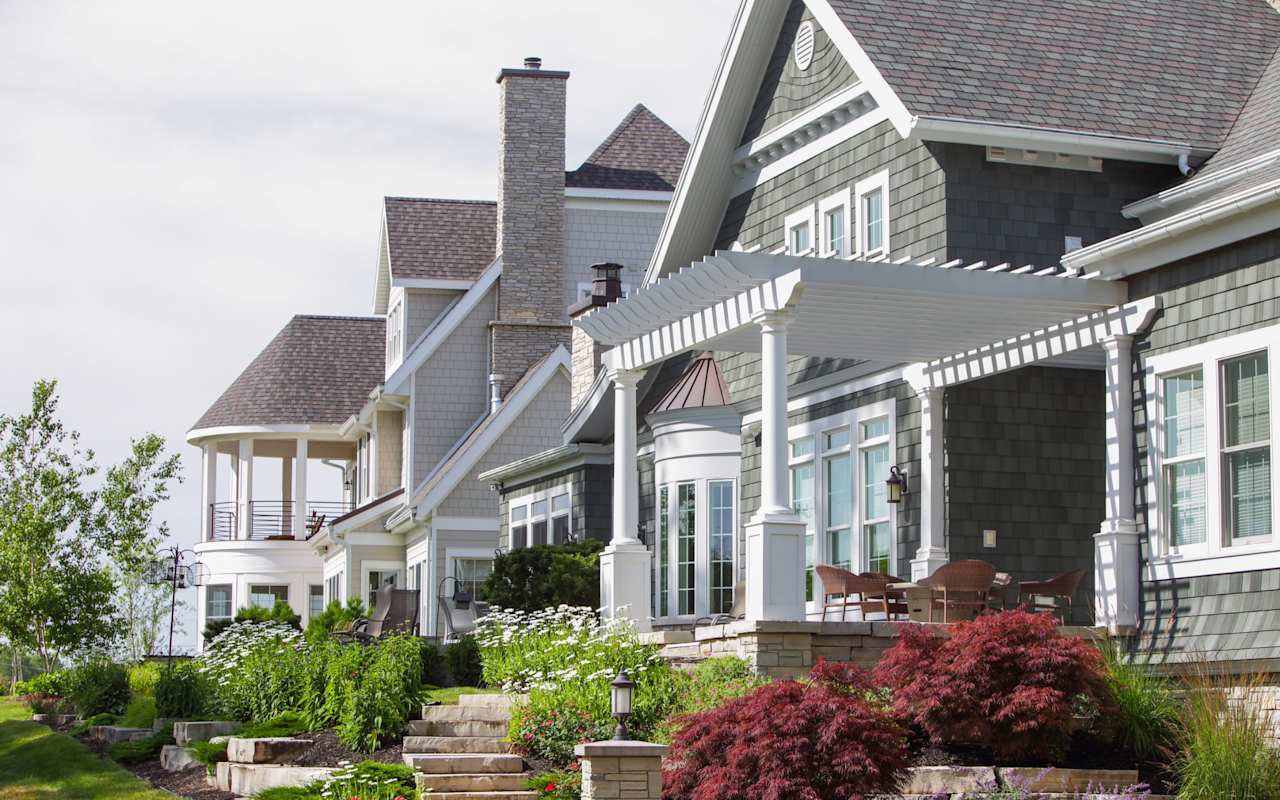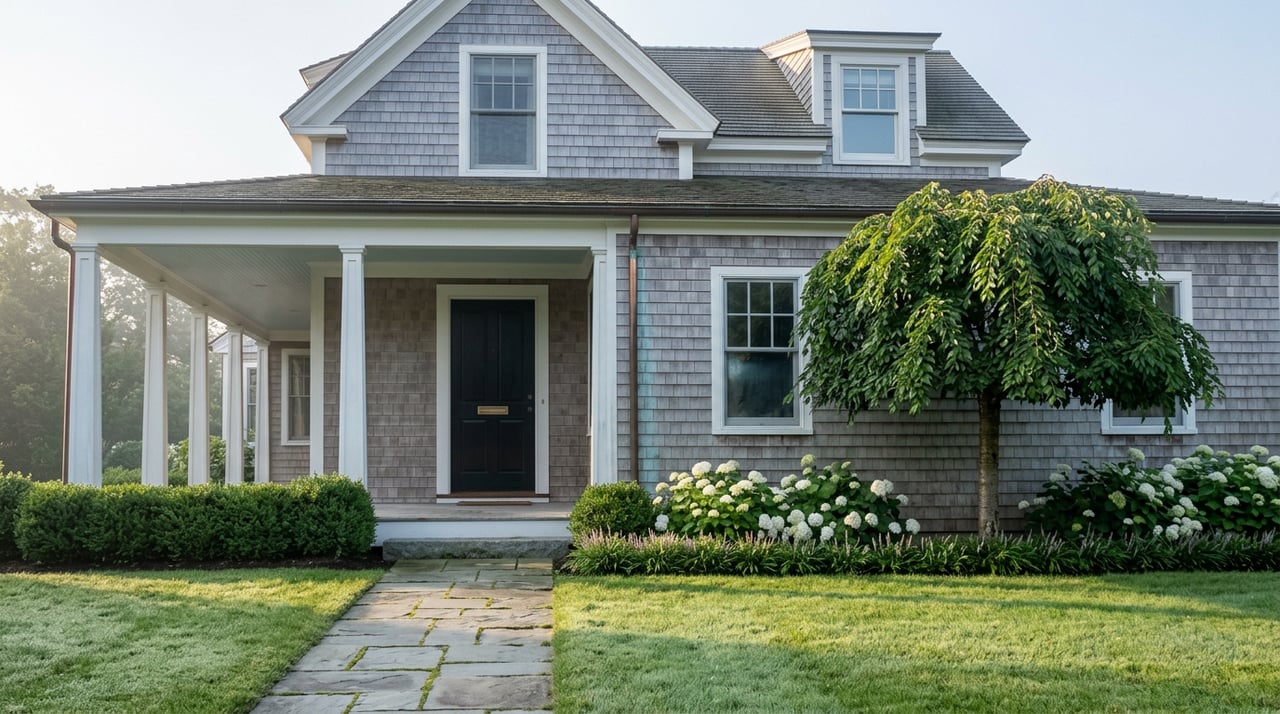
In February 2025, the Pequot Yacht Club went before Fairfield's Historic District Commission with an unusual request. The clubhouse at 647 Harbor Road needed to come up to FEMA flood standards, which meant a pile-driven foundation and lifting the structure seven feet off the ground. The club wanted an exemption instead, arguing that bringing the building into full flood compliance would compromise its standing as a historic structure. The commission agreed, voting 5 to 0 to send a letter supporting the exemption.
That vote is worth sitting with if you're circling a listing inside Southport's historic district. The same commission that will review your fence, your driveway resurfacing, or your addition plans is the body that decides whether flood-safety upgrades on a waterfront property get approved, modified, or waved off in the name of preservation. If you're buying a Federal or Greek Revival home near Harbor Road with plans to raise it, add to it, or bring it current on flood code, the yacht club's case is a preview of the conversation you may be having in a public hearing before you can pick up a permit.
The Review Board You Won't Meet at the Open House
Southport's historic district was established in 1967 and listed on the National Register of Historic Places in 1971. It's bounded roughly by the old New York, New Haven and Hartford rail line to the north, Mill River and Southport Harbor to the south, Old South Road to the west, and Rose Hill Road to the east, with a Spruce Street extension added in 2007. Inside those lines sit more than 150 buildings spanning three centuries, and the Town of Fairfield's Historic District Commission has authority over all three of Fairfield's historic districts: Southport, Greenfield Hill, and Old Post Road.
The commission meets virtually on the second Thursday of each month at 4:15 p.m. Its job, per the town's own Historic District Commission page, is approving nearly any change to a property that's visible from a public way. Before that change can happen, before the building permit is even issued, the owner needs a Certificate of Appropriateness. This isn't a formality that gets rubber-stamped by a clerk. It's a substantive review, and the record shows just how granular it gets.
What Actually Shows Up on the Agenda
Public filings give a sense of scope. An application at 560 Pequot Avenue covered replacing bluestone around a pool, resurfacing a patio, adding a fieldstone sitting wall, and altering a driveway design done in coordination with a local nursery. A 2025 filing at 14 Willow Street went through an architect's office rather than the homeowner directly. A July 2025 hearing docket alone touched properties on Old Post Road, Spruce Street, Main Street, and Harbor Road.
None of these are additions or teardowns. They're the kind of maintenance and refresh projects most homeowners handle without a second thought elsewhere in Fairfield County. Inside the district, they go on a public agenda with a public hearing date.
Where Flood Code and Federal Style Collide
The yacht club case matters because it exposes a genuine tension that waterfront buyers in Southport need to plan for, not just be aware of. FEMA elevation requirements exist to protect structures from flood risk, and in a district where the southern boundary is Southport Harbor itself, plenty of historic homes sit in flood zones. But raising a foundation, replacing it with pilings, or altering the ground-floor elevation of a Federal-era or Greek Revival structure changes exactly the qualities that got it listed on the National Register in the first place.
The commission's willingness to support an exemption for the yacht club signals how that tension tends to resolve when preservation and flood compliance compete. That's useful information if you're evaluating a waterfront property and assuming you'll simply elevate it after closing to satisfy an insurer or lender. The path may run through a public hearing, a commission vote, and possibly a modified engineering approach, not a routine permit pull.
The same February 2025 meeting also had Vice Chair Daryn Reyman-Lock recuse herself when her own property, at 515 Stillson Road, came up for individual Local Historic Property designation. It's a small detail, but it says something about the size of this world. The people reviewing your project live down the street from it.
The Numbers Don't Agree, and That's the Point
If you've already looked at Southport pricing, you've probably seen conflicting figures depending on where you looked. One tracker puts Southport's median sale price around $1.34 million as of July 2026, up a modest 0.6 percent over the prior year. A separate neighborhood-level breakdown of full-year 2025 sales, published in a January 2026 market forecast, showed Southport up as much as 40 percent, with the adjacent Sasco area also posting a significant gain.
Both can be technically accurate and still describe two different markets. Southport's turnover is low. Families who buy here tend to stay, and the historic district's design review and demolition restrictions mean the housing stock doesn't refresh the way it might in a neighborhood with more teardown and rebuild activity. When only a handful of homes trade in any given window, the mix of what happens to sell (a modest saltbox versus a Harbor Road estate) can swing a median or an average far more than any underlying trend. The two figures aren't contradicting each other so much as measuring a market too thin for a single headline number to describe well.
That thinness cuts both ways for buyers. It means less competition for any one listing than in a higher-turnover market, but it also means less room to walk away over a renovation surprise. If a Southport listing is the one you want, understanding its Certificate of Appropriateness history before you write an offer matters more than it would in a neighborhood where another comparable listing is a week away.
Before You Write the Offer
A few things are worth doing before you get too far into a Southport purchase, especially if the plan includes any exterior work:
- Confirm whether the property sits inside the mapped historic district boundary or carries an individual Local Historic Property designation. These aren't the same thing. Under Fairfield's ordinance, an individual Historic Property designation requires the owner's written authorization, while district boundary status applies automatically to everything inside the mapped lines regardless of the individual building's age or architectural pedigree.
- Ask whether the property has any open or past Certificate of Appropriateness filings. The commission's agendas and minutes are public record and show what kind of exterior work has already been reviewed or denied.
- If flood elevation is part of your renovation plan, budget time for a public hearing rather than assuming a standard permit timeline. The yacht club's case took a formal vote, not a staff sign-off.
- Talk to a contractor who has worked inside Fairfield's historic districts before finalizing a renovation budget. Firms like Southport Construction, which has operated in Fairfield County since 2003, have direct experience with the design constraints these projects involve.
None of this should scare a buyer away from Southport. It should change what "due diligence" means when the house you want sits inside its boundaries.
A Few Questions Worth Answering Directly
Does interior renovation need a Certificate of Appropriateness? No. The commission's review authority covers exterior changes visible from a public way. Interior work isn't part of the process.
Who actually sits on this commission? Volunteer commissioners appointed through the town, not real estate professionals or paid staff. Meeting minutes show names like Reyman-Lock, Garych, Bohan, Gravanis, and Negron voting on applications alongside their regular commission business.
Is being inside the district boundary the same as having an individually designated historic property? No. District boundary status is geographic and automatic. Individual Historic Property designation is a separate honor that requires the property owner's written consent before it can move forward.
Southport's historic district is a large part of why the village looks the way it does, and that character is exactly what draws buyers here in the first place. Understanding how the review process actually works, and what it means for a waterfront property specifically, is the difference between falling in love with a house and being ready to own it.
If you're weighing a purchase inside Southport's historic boundaries, or trying to understand what a specific address's Certificate of Appropriateness history looks like before you make an offer, Lisa Babington can walk through it with you. Work With Lisa to get a clear read on what a property will actually let you do before you're the one standing in front of the commission.