Torn between Westport and Fairfield for your coastal Connecticut move? You’re not alone. Both towns offer beaches, train access, and family-friendly amenities, but they feel different day to day. In this guide, you’ll compare homes and lot sizes, beach and park access, commute options, downtown vibe, schools, and typical price tiers so you can choose with confidence. Let’s dive in.
Quick snapshot
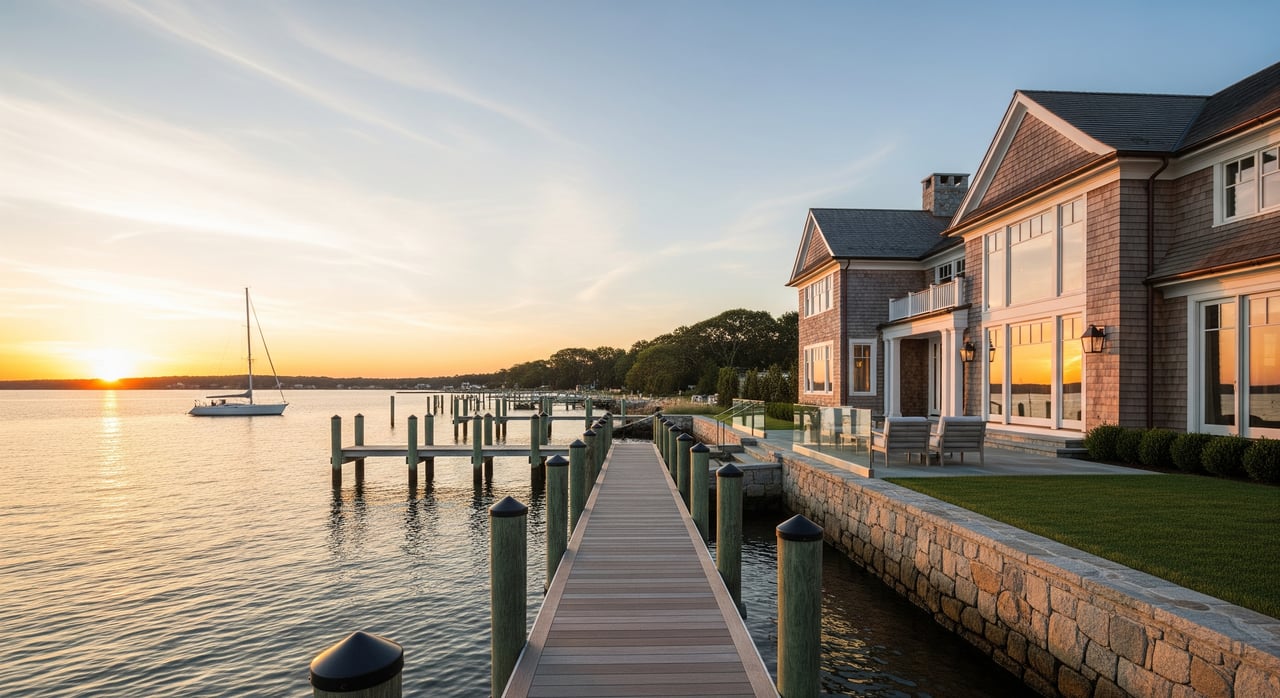
Westport is smaller and generally more affluent, with larger lots, luxury and renovated homes, and a boutique downtown that leans arts and culture. You’ll find a high share of turnkey properties and notable waterfront estates.
Fairfield is larger and more varied, with a broad mix of condos, single-family homes, and neighborhoods at different price points. Its multiple downtown areas and university presence create a lively, flexible lifestyle.
Homes and lot sizes
Westport
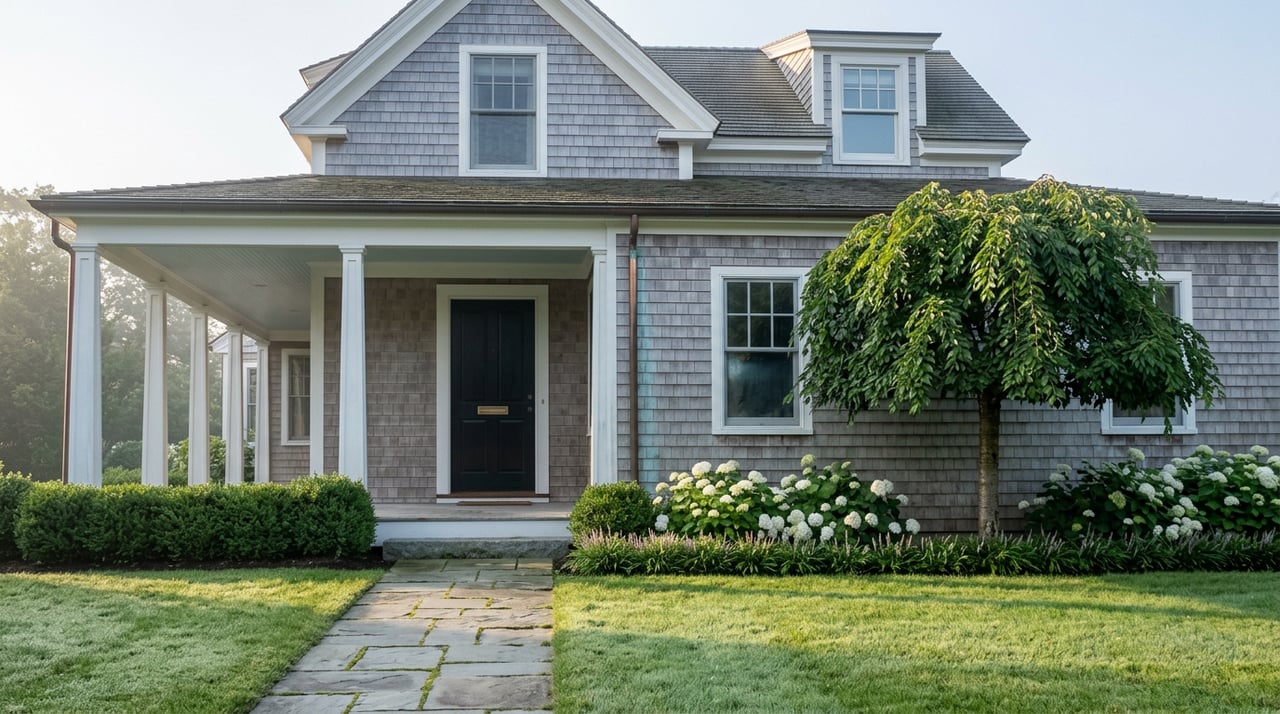
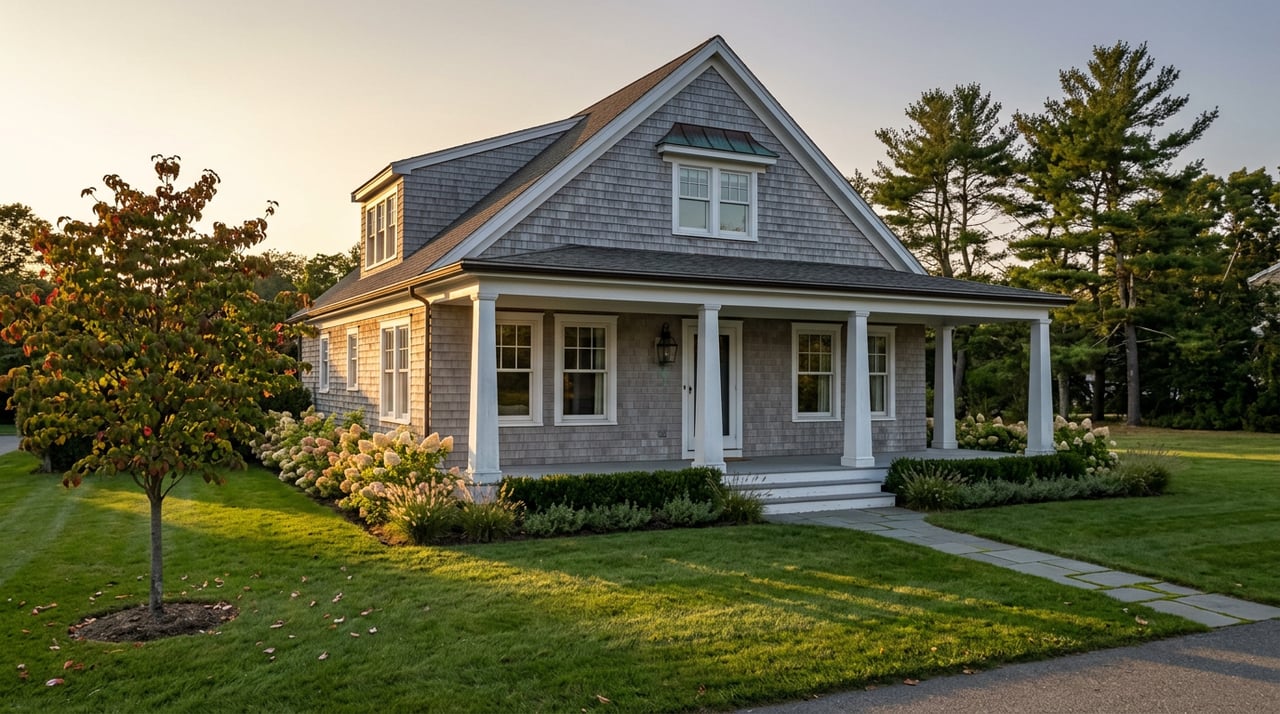
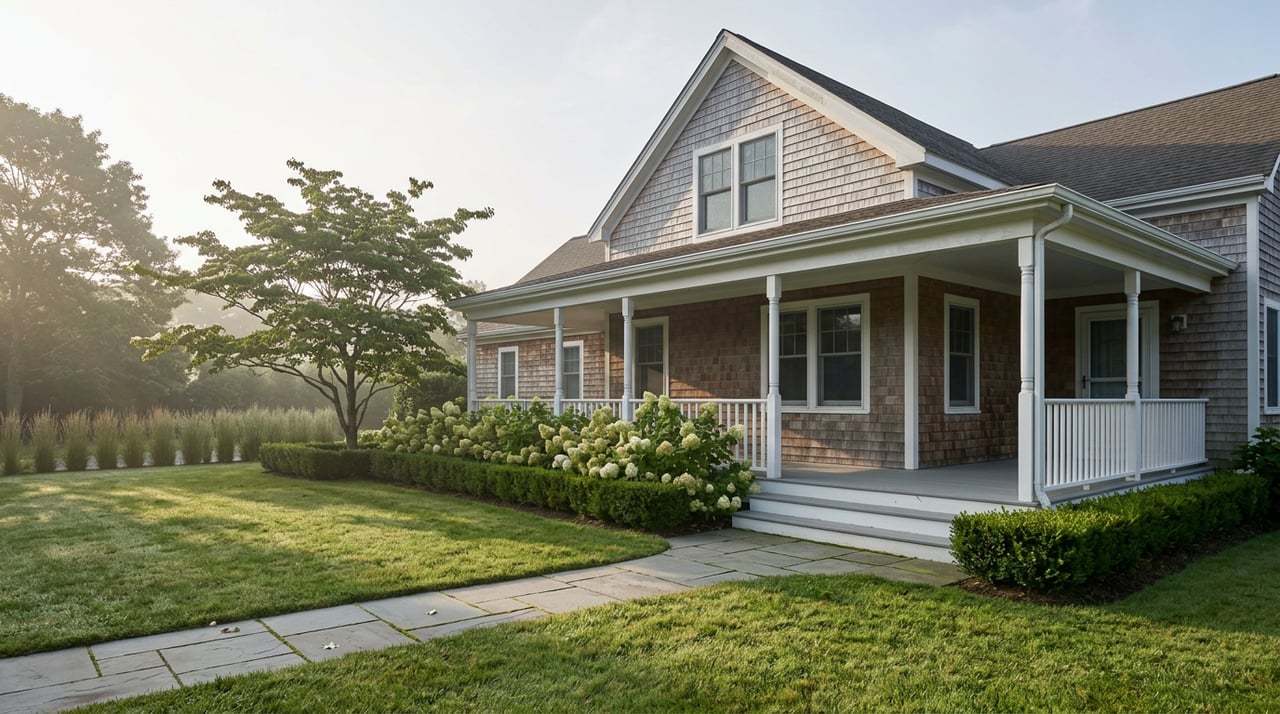
You’ll see a strong mix of colonial and shingle-style homes, contemporary new builds, and historic houses near the center. Lots are typically larger, ranging from quarter-acre parcels to multi-acre estates in areas like Greens Farms and inland pockets. Saugatuck and Old Hill/Compo offer proximity to the river and beaches, with a higher concentration of renovated and luxury listings. Condo options exist but are less common compared with Fairfield.
Fairfield
Fairfield’s housing stock is diverse. Near downtown and the beaches you’ll find condos and multi-family buildings, while suburban areas feature mid-century splits and colonials, plus some larger properties inland. Neighborhoods such as Southport and Greenfield Hill offer distinct feels, and areas near Fairfield University add another layer of choice. Lot sizes vary widely, with many family-friendly parcels and a wider range of entry points than Westport.
Beaches and parks
Westport highlights
Compo Beach offers family-friendly amenities and seasonal lifeguards. Sherwood Island State Park, Connecticut’s first state park, features salt marshes, picnic areas, and walking paths. River and marina access support boating and paddle sports.
Fairfield highlights
Jennings Beach and Penfield Beach provide wide sandy stretches, playgrounds, and seasonal lifeguards. Penfield Reef Park adds a scenic rocky outcrop for walking and fishing. Town-run programming keeps weekends active during warm months.
For both towns, beach parking permits, seasonal rules, and fees vary by location and residency. If you are considering coastal property, evaluate FEMA flood maps early and price potential flood insurance into your budget.
Commute to NYC
Both towns sit on Metro-North’s New Haven Line. Westport is slightly closer to New York City, so some express trains can be a bit faster. Fairfield offers more station choices with Fairfield, Fairfield Metro, and Southport, which helps with parking and schedule flexibility, though average travel times can be a touch longer.
Driving is straightforward via I-95 and the Merritt Parkway, but peak-hour congestion is common. If the train is your plan, check current timetables for express and local service from the specific station you’ll use, and verify parking availability and costs.
Downtown vibe and culture
Westport
Downtown Westport has a boutique, upscale feel with independent shops, galleries, and cafes along the Post Road and Saugatuck. You’ll also find respected arts organizations and small live-theater options. It’s walkable, polished, and well-suited to dinner-and-a-show evenings.
Fairfield
Fairfield’s scenes are more varied. Fairfield Center mixes dining, shopping, and bars; Southport offers a historic village charm; and nearby Black Rock adds a nautical, neighborhood feel. Fairfield University contributes sports, performances, and seasonal energy, with plenty of casual restaurants for easy nights out.
Schools and municipal services
Both towns offer well-regarded public schools and comprehensive municipal services, including libraries, parks, and public safety. Westport’s district is smaller and typically shows strong, consistent performance across schools.
Fairfield’s larger district offers many options and neighborhoods, which can mean more variability by attendance zone. For any property, verify school boundaries and review state education data to understand programs, performance, and fit for your needs.
Prices and cost drivers
In general, Westport sits at a higher price tier than Fairfield, especially for waterfront, larger lots, and new or fully renovated homes. Inventory at the entry level is more limited, so expect competition for those listings.
Fairfield spans a wider range of prices and property types, from condos and smaller single-family homes to premium waterfront and upscale listings. This breadth can make Fairfield attractive if you want flexibility in budget and neighborhood style.
Key cost factors to weigh:
- Proximity to water and train stations typically increases price.
- Lot size, renovation level, and neighborhood desirability influence value.
- Property taxes differ by town; review current mill rates and recent tax bills.
- Coastal homes may require flood insurance and carry wind or hurricane deductibles.
Which town fits your priorities?
- If you want a shorter NYC commute, larger lots, and a boutique downtown and you have a higher budget: consider Westport.
- If you want broader housing choices, more varied price points, and a lively mix of neighborhoods and university energy: consider Fairfield.
- If coastal access matters but you need lower ongoing costs: compare non-waterfront homes in both towns and price flood insurance case by case.
- If you want a rural feel on larger parcels within commuting distance: look at Westport’s Greens Farms and inland areas or Fairfield’s Greenfield Hill, matched to your budget.
- If you want more casual dining and nightlife variety: Fairfield’s downtown areas and university scene offer more options.
Next steps for your search
- Define non-negotiables: commute time, budget range, minimum lot size, and must-have amenities like walkability or beach access.
- Test your commute: visit stations during peak hours and review current express and local train schedules from your preferred station.
- Get pre-approved to anchor your price range for either town.
- If you’re eyeing coastal property, pull FEMA maps and get a preliminary flood insurance quote before you write an offer.
- Ask a local agent for neighborhood comps, school-boundary maps, recent sales, and typical days on market to refine your target streets.
Talk with a local advisor
Choosing between Westport and Fairfield comes down to lifestyle, budget, and day-to-day rhythm. When you’re ready to narrow to neighborhoods and streets that fit how you live, reach out for local guidance and data-backed advice. Work with a trusted partner who knows these towns and can help you compare homes side by side. Connect with Lisa Babington to start your search with confidence.
FAQs
Is Westport or Fairfield better for NYC commuters?
- Both work well on the New Haven Line; Westport can offer slightly faster express options, while Fairfield provides more station choices that may improve parking and schedule flexibility.
Are there affordable homes in Westport or Fairfield?
- Fairfield generally offers a broader range of price points, including condos and smaller single-family homes; Westport’s median prices are typically higher, especially near water.
How does flood risk affect buying on the coast in CT?
- Flood zones impact mortgage requirements, insurance premiums, and some renovation plans; always review FEMA maps and get an insurance quote early if a home is near the coast.
How do Westport and Fairfield public schools compare?
- Both towns have well-regarded schools; Westport’s smaller district tends to be consistently strong, while Fairfield’s larger district varies by neighborhood, so verify specific school assignments.
What local zoning or development issues should I research?
- Review each town’s planning and zoning resources and recent meeting minutes, and scan local news for proposed projects that could affect traffic, views, or neighborhood character.