If you are dreaming about a waterfront home in Westport, it helps to know that the view is only part of the story. Buying near the water can bring a unique mix of lifestyle perks, seasonal logistics, and property rules that are easy to miss if you only focus on the house itself. This guide will help you understand what waterfront means in Westport, what to verify before you make an offer, and how to evaluate a property with more confidence. Let’s dive in.
What Waterfront Means in Westport
In Westport, “waterfront” can describe several very different property types. Some homes sit directly on Long Island Sound near Compo Beach or Saugatuck Shores, while others are along the Saugatuck River, near marinas, or simply close enough to the shoreline that flood and coastal rules still apply.
That distinction matters because daily life can look very different from one property to the next. A beach-facing home may offer open water exposure, while a riverfront property may feel more tied to boating access, tidal conditions, or dock potential. In some parts of town, beach access and marina access can overlap, especially near Compo Beach and Ned Dimes Marina.
Why Location Details Matter
Westport’s shoreline lifestyle is strongly seasonal. Compo Beach is open year-round, but parking rules change from May 1 through September 30, and lifeguards are on duty seasonally at Compo and Burying Hill.
Boating also comes with seasonal considerations. Westport has two town marinas, and the town notes that only residents may occupy in-water slips. There is often a wait list for boating assignments, and boat launch and ramp permits are required from May 1 to September 30.
If you picture weekends on the water, it is worth confirming how that lifestyle works in practice. A home may be near the shore, but your actual use of beaches, marinas, launches, or shellfishing areas may depend on permits, parking access, and seasonal town rules.
Flood Zones Should Be a First Check
One of the most important steps in buying a waterfront home in Westport is confirming the flood-zone status early. Westport’s zoning regulations use FEMA flood maps and identify Special Flood Hazard Areas such as Zones A, AE, and VE, along with floodways.
These designations can affect insurance, financing, future renovations, and how lower-level space may be used. FEMA defines these as areas with a 1% annual chance of flooding, and in higher-risk areas, flood insurance may be required for homes financed with government-backed mortgages.
VE zones deserve especially close attention. They are coastal high-hazard areas with added wave-action risk, which can create stricter building and compliance standards than some inland flood zones.
Flood Insurance Is Separate From Homeowners Insurance
A common surprise for buyers is that flood insurance is not the same as homeowners insurance. Most homeowners policies do not cover flood damage, so if you are buying a waterfront or water-adjacent home, you should review this cost early in the process.
For some properties, an elevation certificate can play an important role. This document helps show how a building sits relative to expected floodwaters and may affect underwriting, compliance review, and premium costs.
In Westport, elevation details are especially important for homes built or improved in flood-prone areas. In VE zones, the town requires the elevation of the bottom of the lowest horizontal structural member, not just the lowest floor, as part of permit review.
Westport’s Flood Maps Are Changing
Another detail buyers should not overlook is timing. Westport says FEMA flood map changes are expected to be adopted in fall 2026, and the town encourages residents to compare current and preliminary maps by address.
That means a property’s future insurance or permitting profile could change even if the home itself does not. When you are evaluating a waterfront purchase, it is smart to ask not just what the effective map shows today, but also whether the parcel may be affected by the upcoming update.
Lower Levels May Have Limits
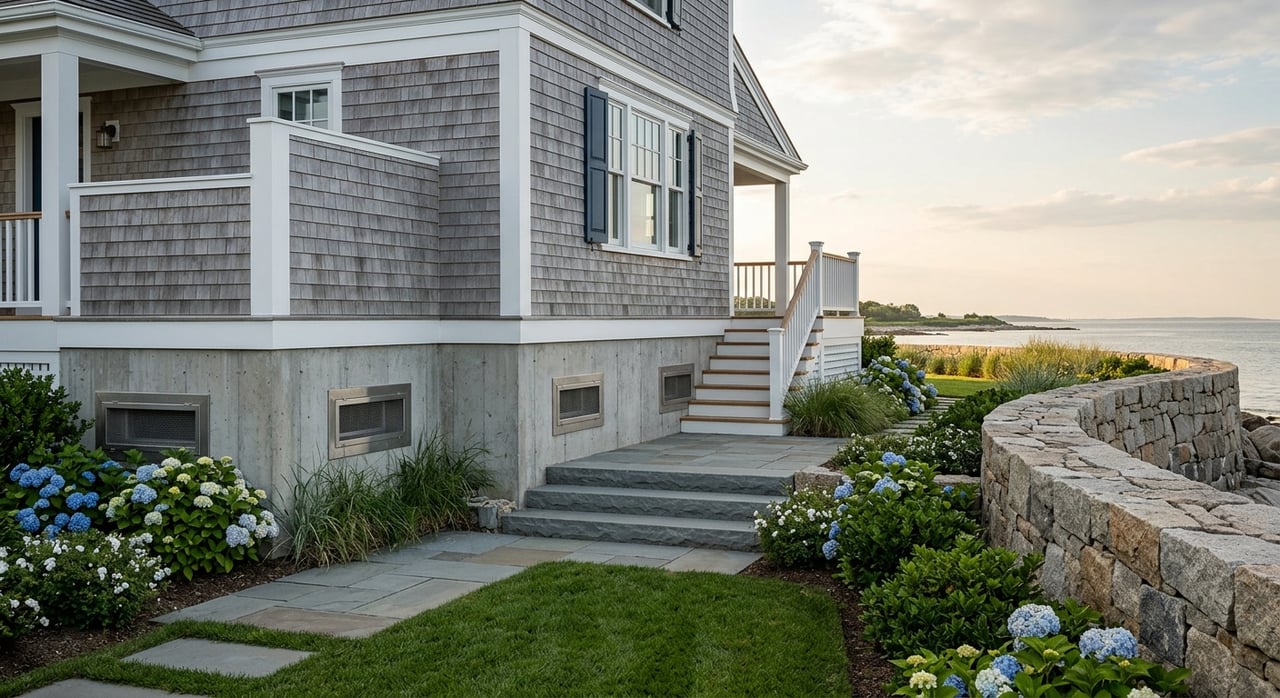
Waterfront buyers are often drawn to homes with bonus space on the ground level, but those areas can come with important restrictions. Westport uses floodplain agreements that can limit below-floor space to parking, limited storage, or access.
That can affect how you think about finished lower levels, garage areas, or storage under elevated homes. Before you count on a space for everyday living, it is important to confirm what is legally allowed.
Wetlands and Coastal Review Can Affect Improvements
Buying a waterfront home is not only about the structure that is already there. It is also about what you may want to change later and what the parcel can legally support.
In Westport, the Conservation Commission governs proposed land use, activity, or construction near wetlands, watercourses, and waterways. Wetlands setbacks can trigger approvals even for work that may seem minor, such as landscaping, fences, walls, or tree work.
The wetland location map is only a guide, which means a soil scientist may be needed to verify actual wetland boundaries. If you are considering a property because of future plans, this is a critical part of your due diligence.
Coastal Site Plan Review Matters Too
Within Westport’s coastal boundary, certain projects may require coastal site plan approval. Some residential work is exempt, but only under limited conditions.
This is why buyers should not assume that adding a deck, patio, utility connection, addition, dock, or other exterior feature will be simple just because the house already exists. A waterfront home can be a great fit, but you want a clear picture of what future changes may require town review.
Docks and Water Access Need Verification
A private dock can be a major attraction, but it should always be reviewed carefully. In Connecticut, waterfront owners have littoral access rights, but the submerged lands beyond mean high water are held in trust by the state.
That means dock size, placement, and permitting are regulated. The Connecticut Department of Energy and Environmental Protection notes that a new residential dock may require a permit and that the process can take months.
If a property already has a dock, seawall, bulkhead, or similar shoreline structure, ask about its permit history, maintenance record, and current regulatory status. Existing features are not automatically grandfathered, and rules around shoreline protection are strict.
Shoreline Changes Can Affect the Lot
Shoreline property is dynamic by nature. Connecticut notes that erosion and accretion can shift boundaries over time, so buyers should be careful about assuming a lot line can always be preserved through new hard shoreline structures.
This matters if you are evaluating outdoor space, shoreline stability, or future plans for the edge of the property. In many cases, the long-term value of a waterfront lot is tied not just to the house, but to elevation, lawful access, and what improvements can be maintained over time.
Lifestyle Questions To Ask Before You Offer
Before making an offer on a waterfront home in Westport, it helps to review both the property file and the day-to-day lifestyle details. A beautiful setting is important, but so is understanding how the home will function in each season.
Here are a few smart questions to ask:
- What do the effective FEMA flood maps show for this address?
- Is the parcel also affected by Westport’s preliminary flood map update expected in 2026?
- Is the home in Zone AE, VE, a floodway, or outside the Special Flood Hazard Area?
- Is there an elevation certificate or other elevation documentation on file?
- What flood insurance premium should you expect, and will your lender require coverage?
- Are there wetlands setbacks or conservation-related approvals that affect future improvements?
- Would additions, patios, decks, docks, utility work, or shoreline work require coastal site plan review or other approvals?
- If a dock, seawall, or bulkhead already exists, what is its permit and maintenance history?
- If you plan to boat or use beach amenities regularly, what seasonal permits, emblems, or access limits apply?
Micro-Markets Feel Different
The same general due-diligence process applies across Westport’s waterfront areas, but each setting offers a different experience. Compo, Saugatuck Shores, and Greens Farms waterfront properties can vary in exposure, access, flood profile, and lifestyle convenience.
For example, Saugatuck Shores includes emergency sirens that are tested monthly to warn of flood events or possible evacuation. That is a practical reminder that waterfront ownership comes with preparedness as well as beauty.
Some waterfront amenities also depend on access logistics. Westport’s shellfishing program notes that recreational beds are best reached by boat, and public parking at Canal Road in Saugatuck Shores is limited.
A Smarter Way To Evaluate Waterfront Homes
The best waterfront purchase is usually not just the one with the prettiest view. It is the one where you understand the flood zone, insurance picture, elevation details, permit history, and lifestyle logistics before you commit.
When you approach the search this way, you can compare homes more clearly and avoid expensive surprises later. In a market as nuanced as Westport, local guidance and careful due diligence can make all the difference.
If you are considering a waterfront purchase in Westport, working with a local expert can help you ask the right questions early and evaluate each property with a clear strategy. To explore available homes or talk through what to watch for, connect with Lisa Babington.
FAQs
What counts as a waterfront home in Westport?
- In Westport, waterfront can mean beachfront, riverfront, marina-adjacent, or water-adjacent property where flood, wetland, or coastal rules still affect the home.
What flood zones matter when buying a Westport waterfront home?
- Westport uses FEMA-based flood designations including Zones A, AE, and VE, plus floodways, and these can affect insurance, financing, permits, and renovation options.
What should you know about flood insurance for a Westport waterfront property?
- Flood insurance is separate from homeowners insurance, and homes in high-risk flood areas with certain mortgages may require coverage.
What is an elevation certificate for a Westport waterfront home?
- An elevation certificate documents a building’s elevation relative to expected floodwaters and may be used for underwriting, compliance review, or premium calculations.
Can you add a dock to a waterfront property in Westport?
- Possibly, but dock size, placement, and permitting are regulated by the state, and approval for a new residential dock may take months.
Do wetlands affect Westport waterfront home improvements?
- Yes, wetlands setbacks and conservation review can affect work such as landscaping, fences, walls, tree removal, and other exterior improvements.
What seasonal access issues should you check for a Westport waterfront home?
- You should confirm beach parking rules, marina access, boat launch permits, slip availability, and any local parking limits that may affect how you use the property.
What should you verify before making an offer on a Westport waterfront house?
- Review the flood map, elevation information, insurance expectations, permit history, wetlands and coastal review issues, and any boating or shoreline access details tied to the property.