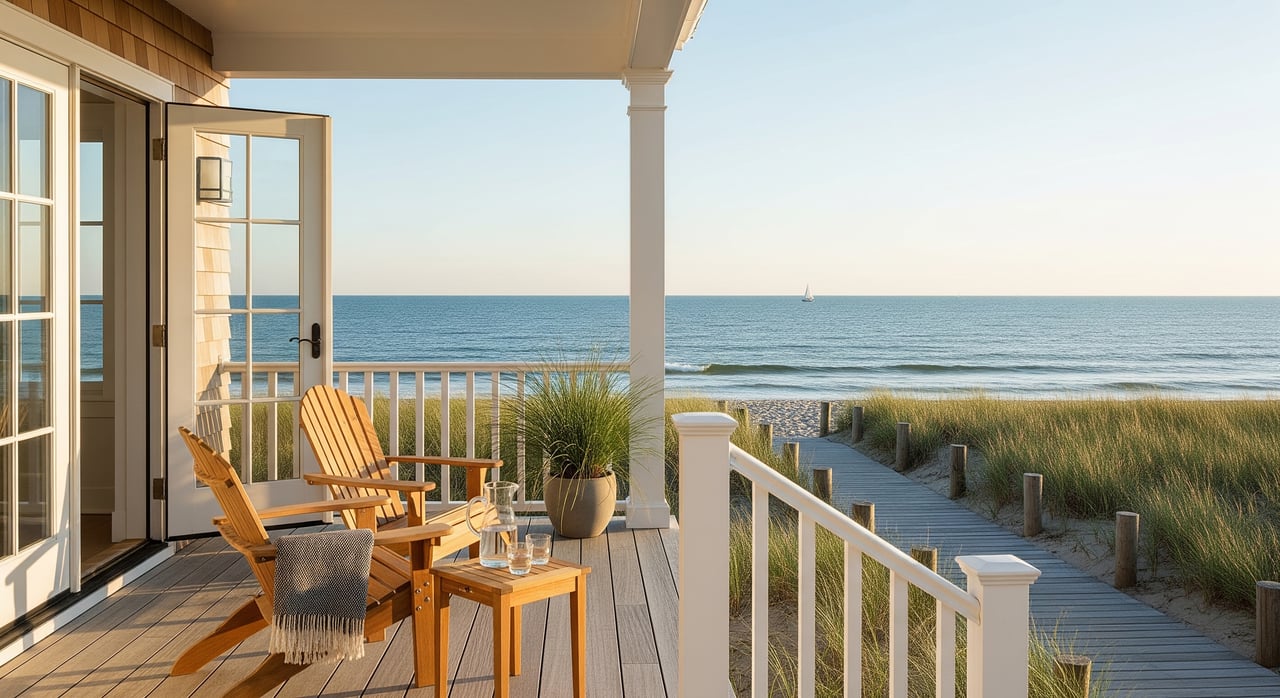
Salt air in the morning. A quick walk to the sand. Coffee on Post Road before the train. If that sounds like your speed, Fairfield Beach might fit your everyday life. You want a neighborhood that feels relaxed but still keeps you close to work, school, and the city. In this guide, you’ll get a clear picture of daily rhythms, housing styles, commute options, year-round perks, and the coastal details you should know before you buy or sell. Let’s dive in.
What daily life feels like
On weekdays, mornings are peaceful. You’ll see walkers, runners, and surfers catching early light while commuters head to the train. Local cafés and delis on Post Road open early, so grabbing breakfast is simple.
Evenings shift to sunset walks and casual dinners. Downtown and the beach-adjacent spots see a friendly crowd. Weekends, especially in summer, feel livelier with beachgoers, visitors, and more parking demand. The tempo changes with the seasons, which many residents enjoy.
Fairfield is a coastal town on Long Island Sound with a town population of roughly 61,500, according to the U.S. Census Bureau. Fairfield Beach is the shoreline neighborhood close to downtown and Post Road, so you get both the water and an easy connection to shops and services.
Homes and architecture by the water
You’ll find a mix of classic and updated homes near the shore:
- Older beach cottages and bungalow-style houses, some modest and some expanded.
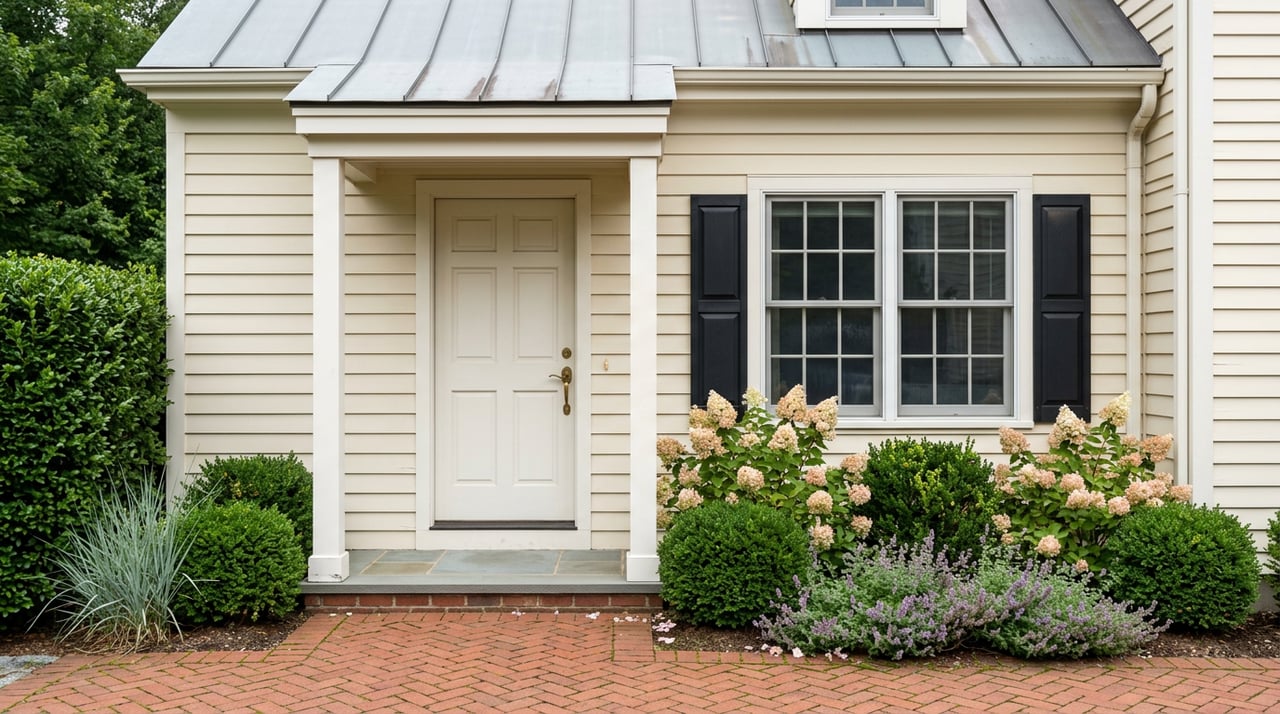
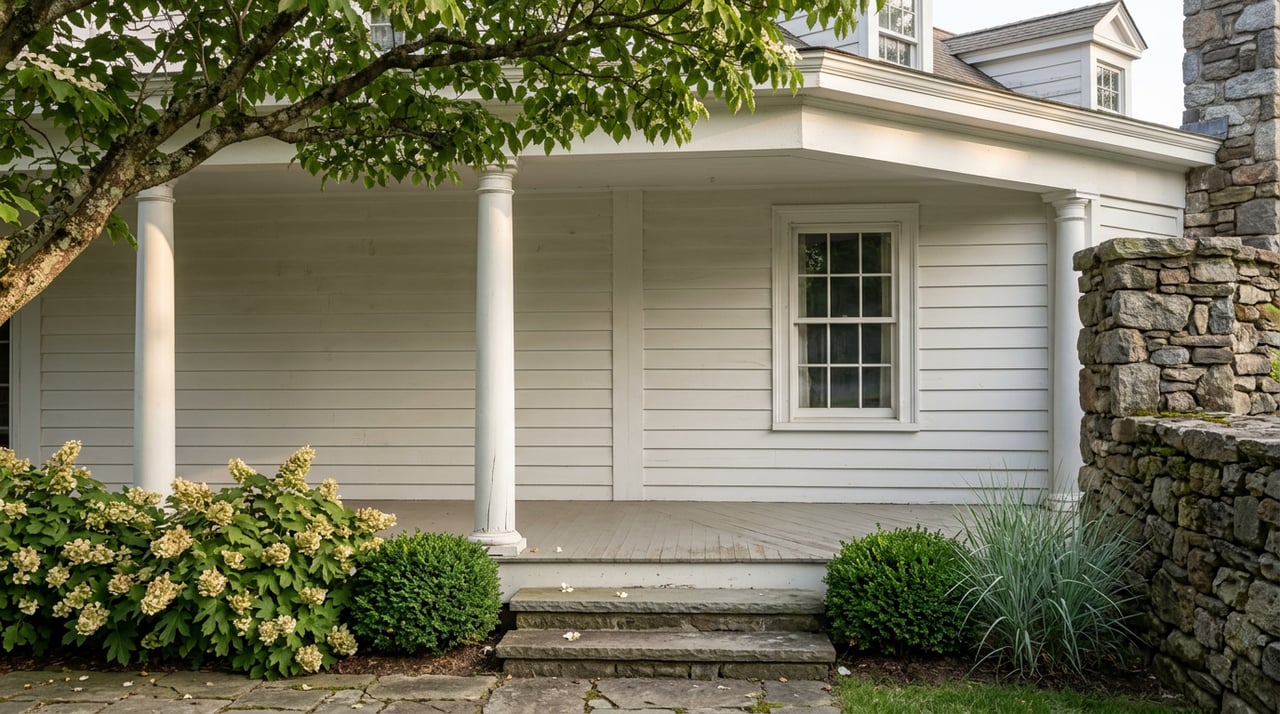
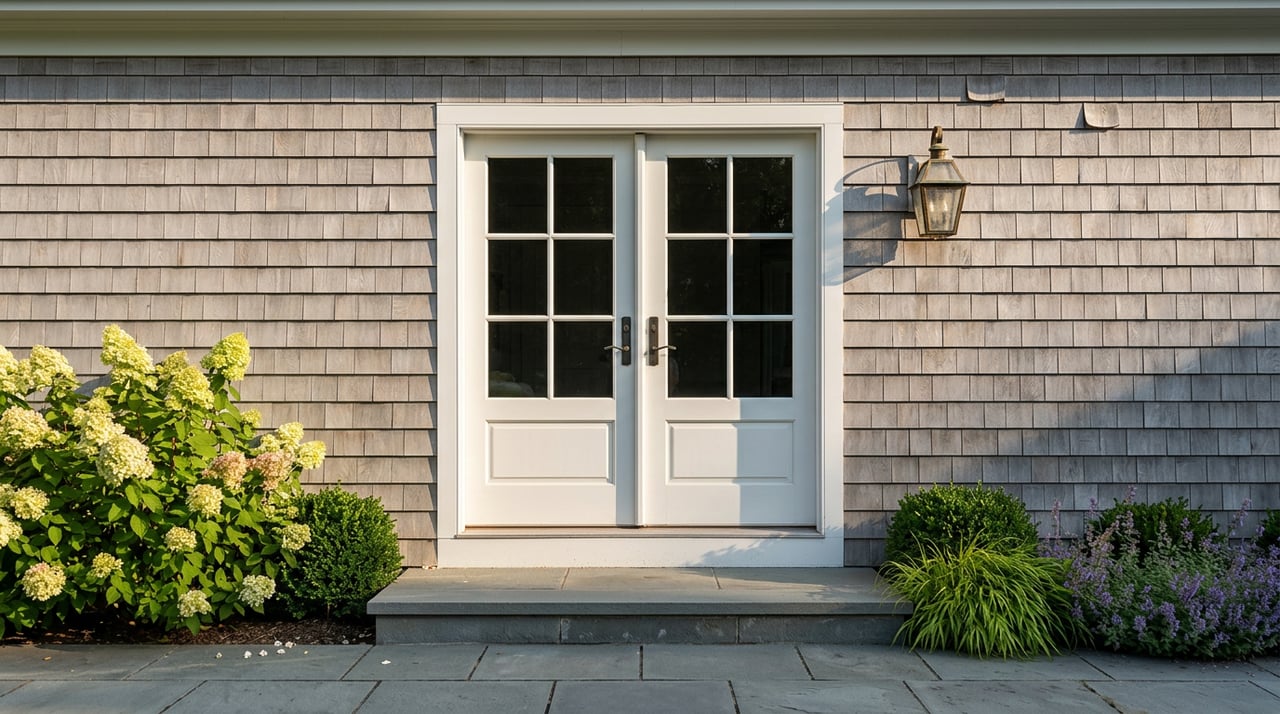
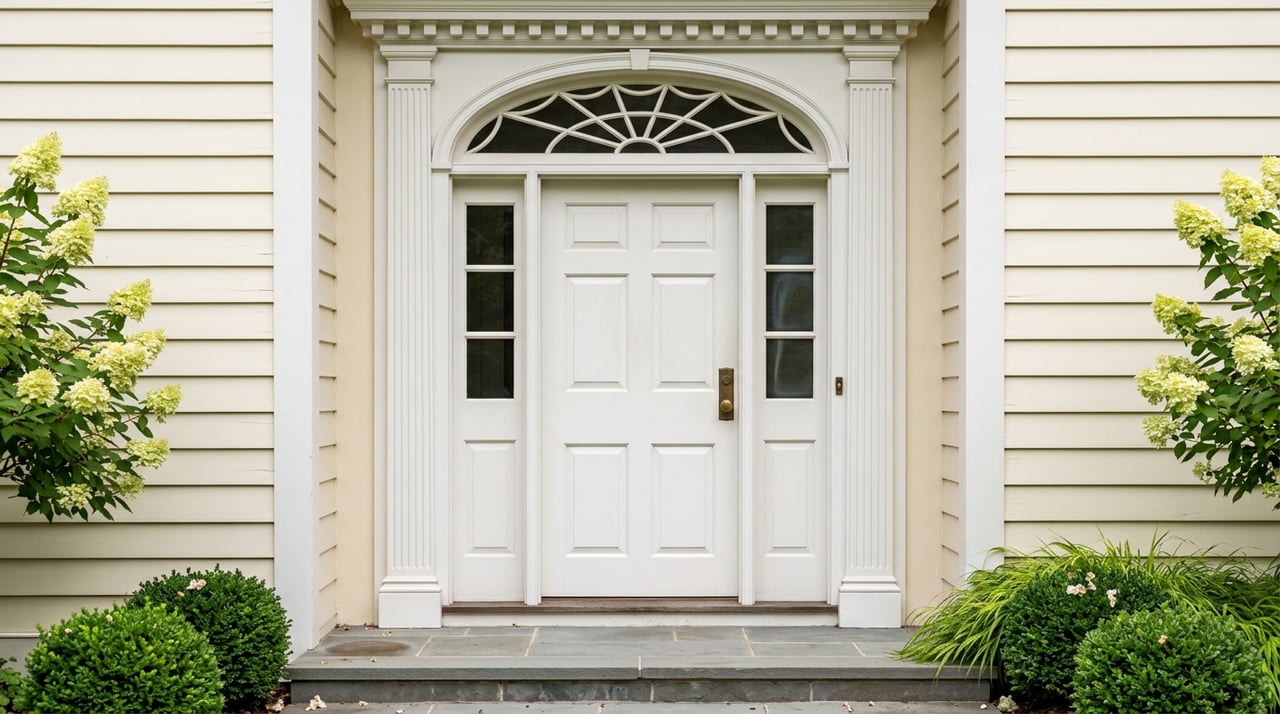
- Shingle-style and Colonial-style single-family homes within a short walk of the sand.
- Condominiums and small multi-unit buildings closer to the shoreline or along Post Road.
Lots near the beach are often smaller than inland properties. Many homes lean into outdoor living with decks and rooftop spaces. Renovations and infill projects are common as owners modernize or rebuild. If you’re planning updates, check local permitting and any coastal requirements with the Town of Fairfield.
Who it suits
Fairfield Beach draws people who prioritize a walkable, outdoor lifestyle. It appeals to year-round residents who love the shore, professionals who commute to NYC or Stamford, and those who want a low-key, neighborly feel. You’ll also see retirees and second-home owners, plus some seasonal rental activity.
Fairfield’s two universities, Fairfield University and nearby Sacred Heart University, add cultural events and dining variety to the broader town scene. The result is an active, yet relaxed coastal environment with something happening in every season.
Beaches and outdoor recreation
Daily life often centers on the water. Residents swim, walk the shoreline, paddleboard, or launch kayaks from nearby areas. In summer, many town beaches operate with lifeguards and seasonal facilities. Rules, hours, and fees can change, so check current details with the Town of Fairfield.
Beyond the beach, you have local parks and green spaces for walking and biking. Boating and fishing opportunities are available through area marinas and launches. If you like being outdoors, you’ll find plenty of simple, everyday ways to enjoy the Sound.
Dining, shopping, and services
Post Road is your main corridor for daily errands. Expect cafés, bakeries, seafood spots, and casual bars to meet most needs. Downtown adds boutiques, bistros, and cultural venues.
Healthcare and services are close by. You’ll find primary care, urgent care, and pharmacies in town. Larger hospitals in Bridgeport and Norwalk serve more acute needs.
Getting around and commuting
You have solid options whether you take the train or drive:
- Rail: Fairfield is served by the Metro-North New Haven Line, with direct service to Stamford, New Haven, and Grand Central Terminal. Depending on the train, the ride to NYC typically ranges from about 60 to 90 minutes. Check current schedules on the Metro-North Railroad.
- Driving: US-1 (Post Road) and I-95 run through town, making regional trips straightforward. Rush hours bring more congestion, so plan accordingly.
- Walkability: Many parts of Fairfield Beach are walkable. You can reach the sand, cafés, and some shops on foot. Local buses and seasonal shuttles may operate; routes can change, so verify current service with the town.
Seasons and what to expect
Life here shifts with the calendar:
- Spring: More walkers and bikers, first warm days on the sand.
- Summer: Lively beach days, more visitors, and busier restaurants. Expect increased parking demand and seasonal events.
- Fall: Crisp beach walks, a calmer pace, and school-year routines.
- Winter: Quiet shoreline days, indoor gatherings, and easy access to downtown amenities.
If you thrive on a summer buzz and appreciate a quieter off-season, this rhythm will likely fit your lifestyle.
Coastal and regulatory essentials
Coastal living comes with a few non-negotiables to understand before you buy or renovate:
- Flood zones and insurance: Some properties near the water fall within FEMA flood zones such as AE or VE. This can affect mortgage requirements and flood insurance premiums. Review the FEMA Flood Map Service Center for address-specific details at the FEMA Map Service Center.
- Building and elevation: Renovation or rebuilding near the shoreline may require certain elevation standards, coastal site plan reviews, and permits, especially near tidal wetlands or the high-water line. Start with the Town of Fairfield Building and Zoning departments.
- Shoreline management: Connecticut’s DEEP and the town publish resources on coastal resilience and shoreline management. If you are evaluating long-term risk and mitigation options, consult the Connecticut DEEP and the town’s coastal pages.
- Beach parking and permits: Many Connecticut beach towns use seasonal resident passes and daily fees to manage summer crowds. For current Fairfield rules, visitor policies, and fees, confirm details with the Town of Fairfield.
Schools and zoning basics
Public school zoning can vary by block. If school assignments matter to you, review the most current boundary maps and school profiles through Fairfield Public Schools. For a specific address, verify the assigned schools directly with the district before you make a decision.
Pros, trade-offs, and quick checks
Every neighborhood has strengths and considerations. Here are the highlights for Fairfield Beach:
Pros
- Walkable beach lifestyle with easy outdoor recreation.
- Strong local businesses along Post Road and access to downtown.
- Commute options by rail or highway to regional job centers.
Trade-offs
- Seasonal crowds in summer that affect noise and parking.
- Coastal exposure, including storms, flooding, and insurance considerations.
- Smaller lots near the water and more renovation activity over time.
Quick checks before you buy:
- Look up the property on the FEMA Map Service Center to understand flood zones.
- Confirm beach parking and guest pass rules with the Town of Fairfield, especially if you plan to host.
- Review school zoning with Fairfield Public Schools if assignments are key to your decision.
- If you plan to rent seasonally, check current town ordinances with the Town of Fairfield before you buy.
Smart moves for buyers and sellers
If you’re buying:
- Focus on elevation, flood zone, and insurance early in your search.
- Walk the block at different times of day and in different seasons to get a full picture.
- Consider maintenance needs for salt air and storm preparation.
If you’re selling:
- Highlight outdoor living spaces and walkability.
- Gather documentation upfront, including any elevation certificates, permits, and updates.
- Time your listing to show the lifestyle at its best, while also being transparent about seasonal rhythms.
When you pair the neighborhood’s lifestyle with clear coastal due diligence, you can move forward with confidence.
Ready to explore Fairfield Beach or compare it with nearby coastal neighborhoods? Let’s talk about your goals and map a plan that fits your timing and budget. To start a private strategy call or schedule a tour, connect with Lisa Babington.
FAQs
How long is the train commute to NYC from Fairfield Beach?
- The Metro-North New Haven Line typically takes about 60 to 90 minutes to Grand Central, depending on the train; check current schedules on the Metro-North Railroad.
Are Fairfield Beach homes in FEMA flood zones?
- Many waterfront or near-water parcels fall within FEMA zones like AE or VE, which can affect lending and insurance; confirm an address on the FEMA Map Service Center.
What should I know about beach parking and seasonal passes in Fairfield?
- Summer rules, permit types, and daily fees can change; verify current resident and guest options with the Town of Fairfield.
Are short-term rentals allowed near Fairfield Beach?
- The neighborhood has a mix of year-round and seasonal activity, and rules can change; check current ordinances with the Town of Fairfield before renting.
Which public schools serve Fairfield Beach homes?
- School assignments vary by street; review maps and profiles and confirm an address with Fairfield Public Schools for the most accurate information.
What types of homes are common near the beach in Fairfield?
- You’ll see beach cottages and bungalows, renovated seaside homes, shingle and Colonial-style single-family houses, plus some condominiums and small multi-unit buildings near the shoreline.